
Binder Course
Binder Course - It protects the base and subgrade from traffic stresses and damage. In flexible asphalt pavement, the wearing course refers to the top asphalt layer that distributes loads directly to the pavement structure below. The binder course's function is to distribute the load from the surfacing into the base course, strengthening the pavement. In summary, the binder course asphalt acts as a foundation layer, providing strength and stability to the road, while the topcoat of asphalt serves as the final wearing surface, offering a smooth ride and protecting the underlying layers. Binder (also known as basecoat) and topcoat are types of asphalt paving material, made from hot asphalt cement and aggregate. An insurance binder is legally binding and commits the insurer to the coverage detailed in the binder. Provide a working platform for construction. When pc temp pavement is used as an option, insert the following plan note: Of course, i do take some portraits. The wearing course (top) and binder course (bottom). The binder course is the first of the two bitmac layers used in a typical footpath or residential driveway (traffic categories 1, 2 & 3). Verify that the issued policy matches the binder precisely upon receipt. Hma temporary pavement usually consists of two items: It protects the base and subgrade from traffic stresses and damage. Typically a “binder” course also known as the load bearing coarse contains mostly 3/4” aggregate (the stone in the asphalt is Typically 2 (required when in place for more than one construction season). Surface courses are most often constructed out of hma. Therefore, any discrepancies must be. In flexible asphalt pavement, the wearing course refers to the top asphalt layer that distributes loads directly to the pavement structure below. The material used as a binder course is 'chunkier' than a wearing course, usually comprising 20mm or 28mm aggregate in a bitumen binder, known as dense bitumen macadam (dbm). Surface courses are most often constructed out of hma. Minimize the intrusion of fines from the subgrade into the pavement structure. In flexible asphalt pavement, the wearing course refers to the top asphalt layer that distributes loads directly to the pavement structure below. Binder course layer is an intermediate layer between base course and surface layer. An intermediate layer between. Explore the layers, from the robust base course to the bridging binder course and protective bituminous concrete layer. Therefore, any discrepancies must be. Typically a “binder” course also known as the load bearing coarse contains mostly 3/4” aggregate (the stone in the asphalt is Verify that the issued policy matches the binder precisely upon receipt. In the hot asphalt of. In flexible asphalt pavement, the wearing course refers to the top asphalt layer that distributes loads directly to the pavement structure below. The base course and the surface course are separated by the binder course. Binder's project, which won the 2025 sony world photography award for documentary, explores how the troubles continues to shape a new generation in belfast. Binder. The material used as a binder course is 'chunkier' than a wearing course, usually comprising 20mm or 28mm aggregate in a bitumen binder, known as dense bitumen macadam (dbm). Depending on the specified use the percentages and sizes of aggregate vary. Typically 2 (required when in place for more than one construction season). The binder course is the first of. Binder courses are essential in constructing durable road pavements, serving as an intermediary layer that ensures structural integrity. Provide a working platform for construction. The wearing course uses premium asphalt binder to. In addition, it can attach to the surface course and base course by. Typically a “binder” course also known as the load bearing coarse contains mostly 3/4” aggregate. Flexible pavements contain bitumen or asphalt layer as wearing course and supports loads through bearing. Typically 2 (required when in place for more than one construction season). Depending on the specified use the percentages and sizes of aggregate vary. Therefore, any discrepancies must be. In flexible asphalt pavement, the wearing course refers to the top asphalt layer that distributes loads. Therefore, any discrepancies must be. Typically 2 (required when in place for more than one construction season). Binder courses are essential in constructing durable road pavements, serving as an intermediary layer that ensures structural integrity. Flexible pavements contain bitumen or asphalt layer as wearing course and supports loads through bearing. The binder course is therefore placed between the surface course. Complete the binder carefully and accurately; Minimize the intrusion of fines from the subgrade into the pavement structure. Explore the essential role, composition, and types of binder courses in pavement construction for durable and efficient road surfaces. Explore the layers, from the robust base course to the bridging binder course and protective bituminous concrete layer. Binder courses are essential in. It protects the base and subgrade from traffic stresses and damage. Therefore, any discrepancies must be. Explore the layers, from the robust base course to the bridging binder course and protective bituminous concrete layer. Work shall be according to sections 406 and 1030 of the standard specifications, except as modified herein. Because the binder course is made out of coarse. Provide a working platform for construction. Therefore, any discrepancies must be. The subbase generally consists of lower quality. Hma temporary pavement usually consists of two items: Typically 2 (required when in place for more than one construction season). The subbase generally consists of lower quality. The binder course is the first of the two bitmac layers used in a typical footpath or residential driveway (traffic categories 1, 2 & 3). The aggregate in this type of bitmac is chunkier than that used in the surface course, a typical size being 20mm. The subbase course is between the base course and the subgrade. Flexible pavements contain bitumen or asphalt layer as wearing course and supports loads through bearing. Explore the layers, from the robust base course to the bridging binder course and protective bituminous concrete layer. In flexible asphalt pavement, the wearing course refers to the top asphalt layer that distributes loads directly to the pavement structure below. The composition and structure of flexible pavement consists of surface course, binder course, base course, subbase course, frost protection course, subgrade. The goal of constructing this layer is to distribute loads of traffic or upper layers to the base course. Typically 2 (required when in place for more than one construction season). This top structural layer of material is sometimes subdivided into two layers: The binder course is therefore placed between the surface course and base course to reduce rutting by combining qualities of stability and durability. The meaning of binder course is a coarse aggregate bound with bitumen between the foundation and the wearing course of an asphalt pavement. The base course and the surface course are separated by the binder course. Explore the essential role, composition, and types of binder courses in pavement construction for durable and efficient road surfaces. An intermediate layer between the surface and base course is the binder course.
asphaltic concrete binder course Brian Solomon

Paving Asphalt Concrete Binder Course. YouTube

Pavement Structural Analysis ppt download
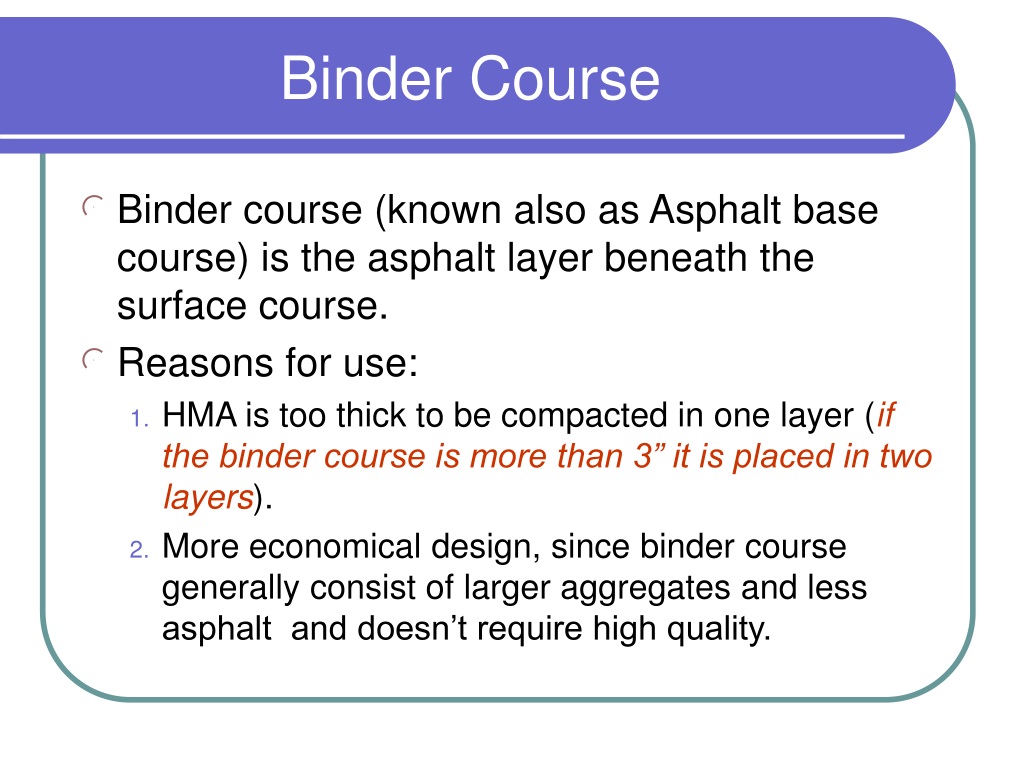
PPT Flexible Pavement Design PowerPoint Presentation, free download
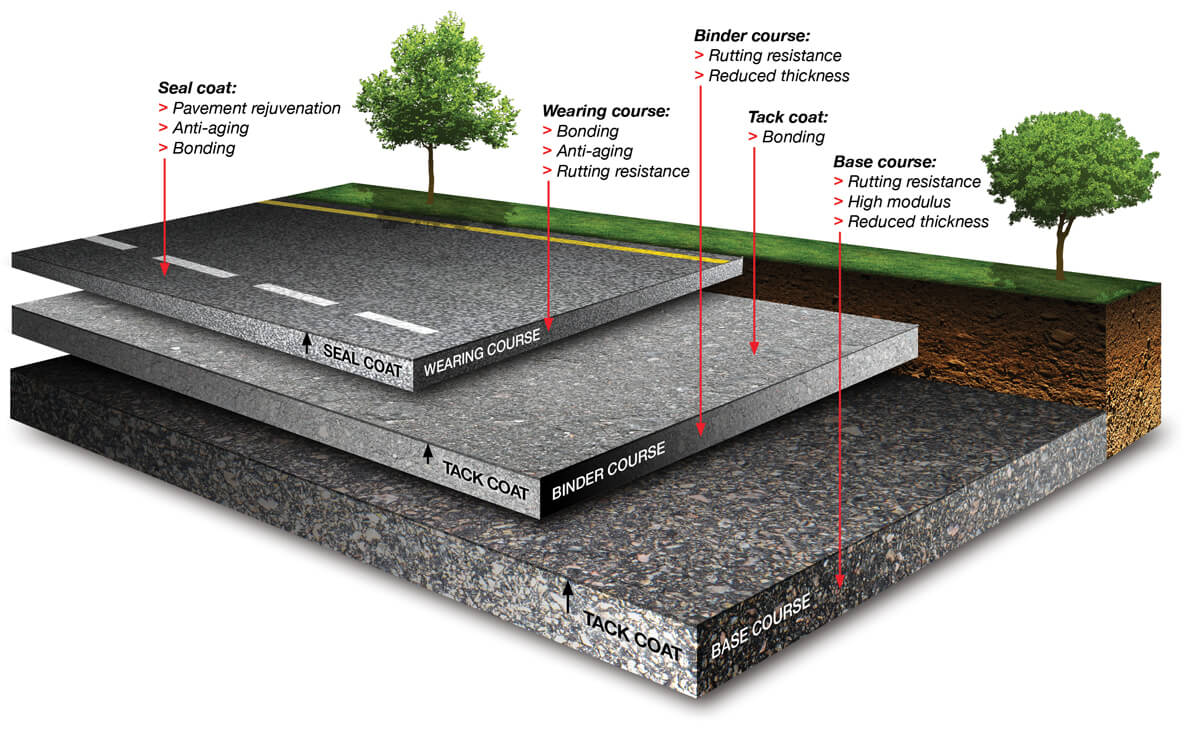
Asphalt American Gilsonite Company
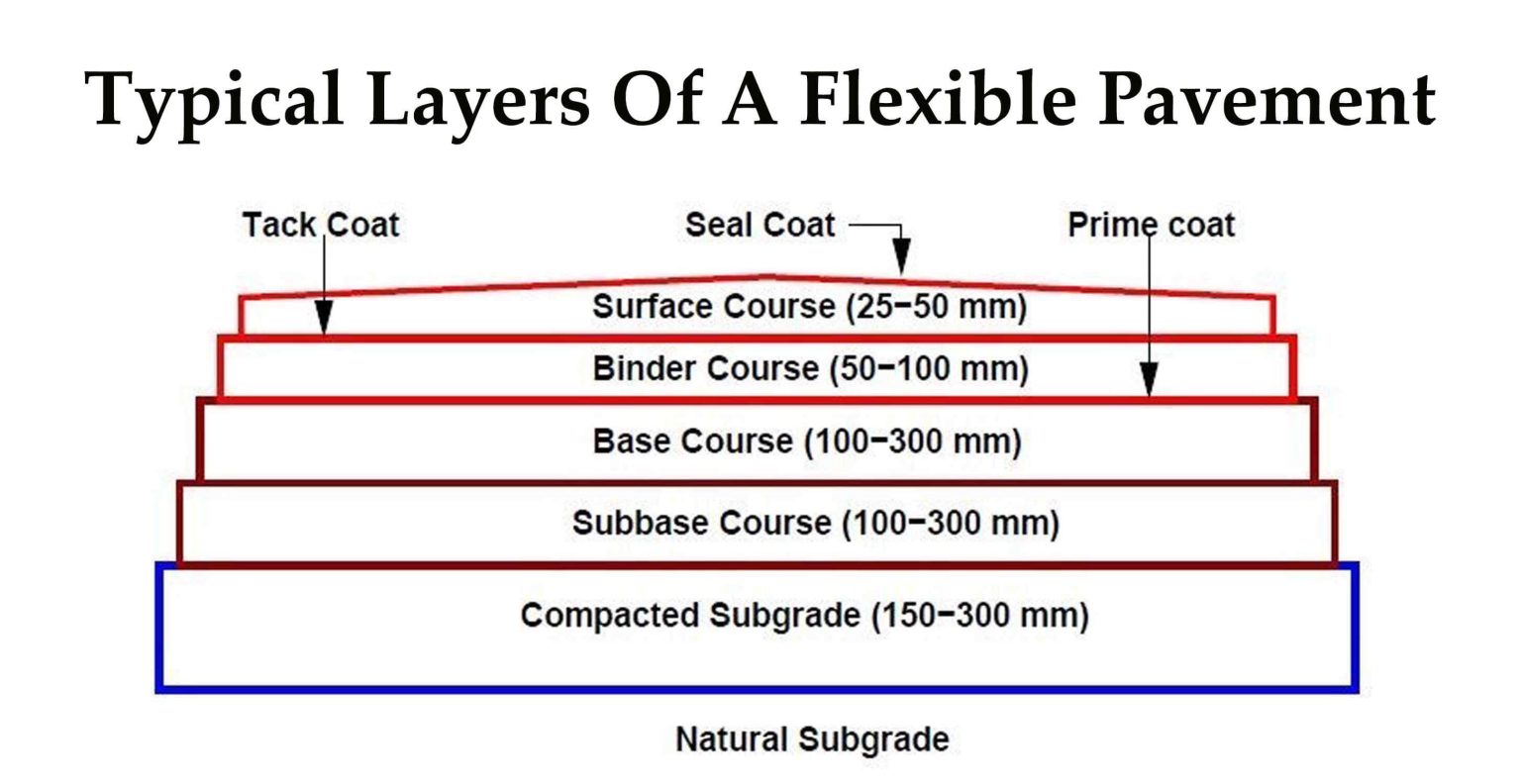
Typical Layers Of A Flexible Pavement Engineering Discoveries
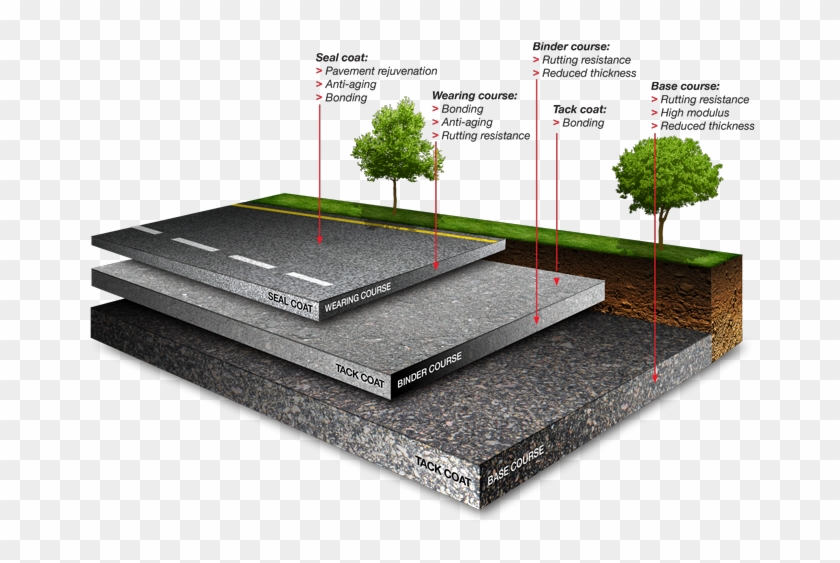
Asphalt Concrete Binder Course, HD Png Download 700x491(6227424
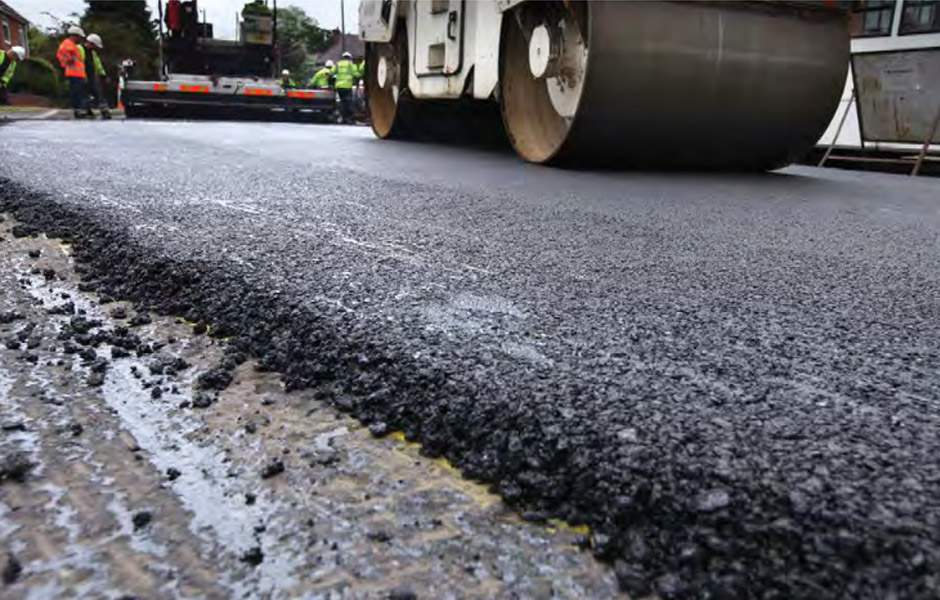
AC 20mm Limestone Open Graded Binder Course Newlay Asphalt
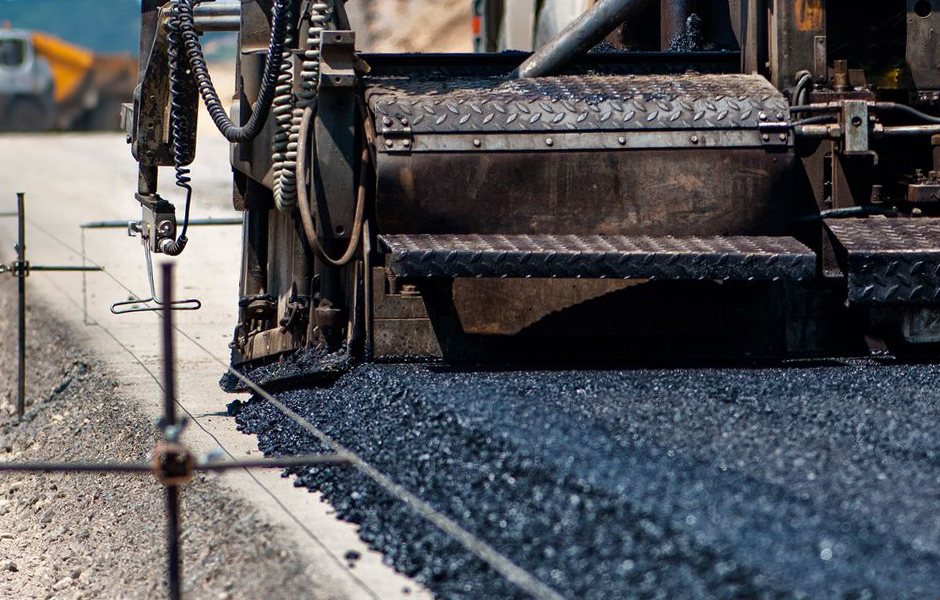
Limestone Binder Course Newlay Asphalt

asphaltic concrete binder course Brian Solomon
It Protects The Base And Subgrade From Traffic Stresses And Damage.
The Material Used As A Binder Course Is 'Chunkier' Than A Wearing Course, Usually Comprising 20Mm Or 28Mm Aggregate In A Bitumen Binder, Known As Dense Bitumen Macadam (Dbm).
Therefore, Any Discrepancies Must Be.
Surface Courses Are Most Often Constructed Out Of Hma.
Related Post: