
Course Rating And Slope Meaning
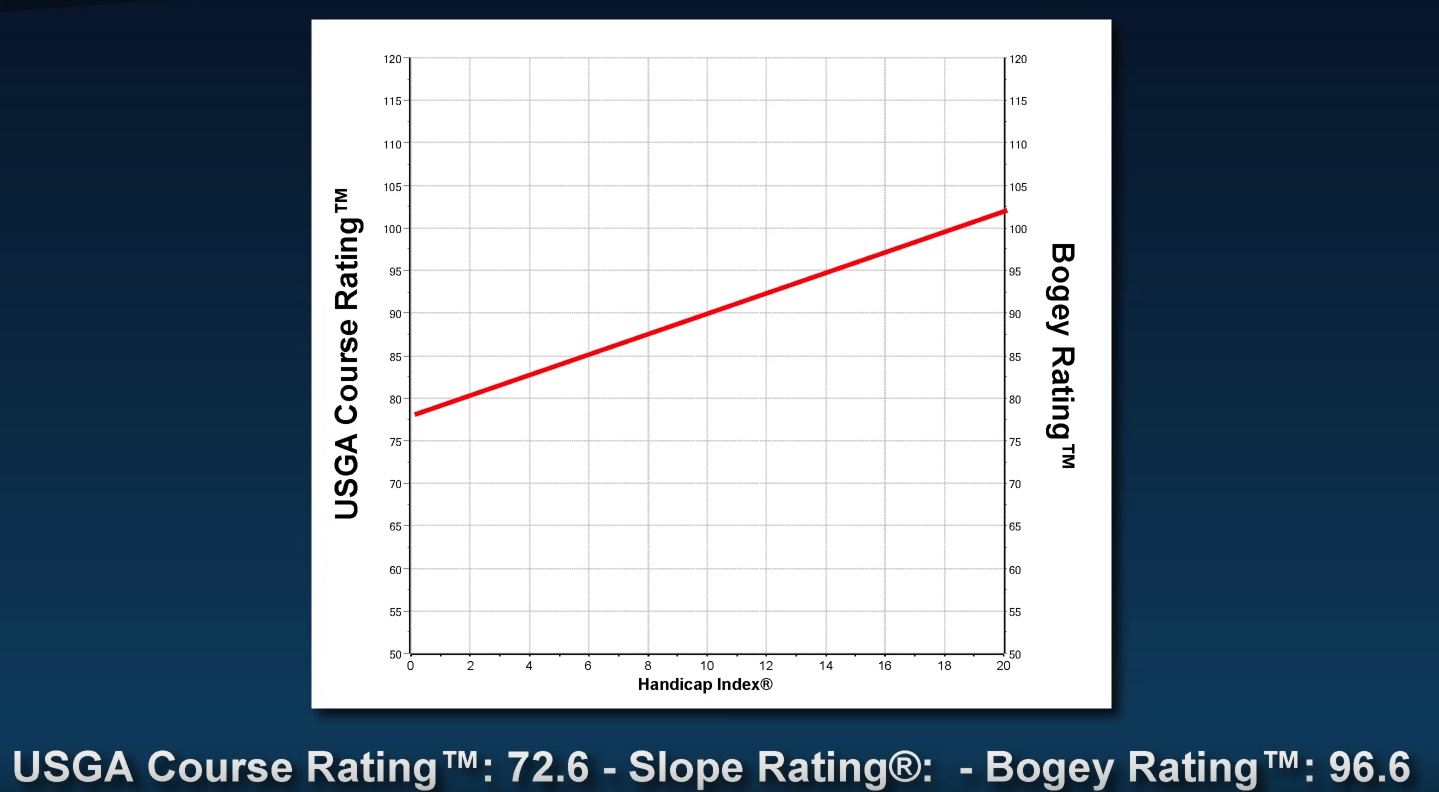
Course Rating And Slope Meaning - Slope rating (a term trademarked by the united states golf association) is a measurement of the difficulty of a golf course for bogey golfers relative to the course rating. Slope and course rating are two numbers you will find on a golf scorecard at any course you play. While the course rating applies to scratch golfers, the slope rating measures how difficult a course will be for an average golfer (often called a bogey. But what do these numbers mean? When considering the difficulty of a golf course, it’s important to take both the course rating and slope rating into account. The main difference is that the course rating measures the difficulty for a scratch player, while. For one thing, it means that a score of, say, 82 on course a may represent a less (or more) impressive performance than a score of 82 shot on course b. Slope rating measures how difficult the course is. In short, both have to do with the difficulty. What is a course slope? Slope rating (a term trademarked by the united states golf association) is a measurement of the difficulty of a golf course for bogey golfers relative to the course rating. With a course rating of 71.0 and a bogey rating of 95.5, course b has a. When considering the difficulty of a golf course, it’s important to take both the course rating and slope rating into account. Course rating measures the difficulty of a course for a scratch golfer, while slope rating measures the difficulty of a course for a bogey golfer. The main difference is that the course rating measures the difficulty for a scratch player, while. In short, both have to do with the difficulty. The quick (and overly simplistic) answer is that it's a single number indicating the difficulty of a golf course to a bogey golfer. Slope rating and course rating are designed to measure the difficulty of the course. The slope rating is an indication of the relative difficulty of a course for players who are not scratch players compared with the difficulty experienced by a scratch player. Slope rating shows how much harder a course is for high ha… With a course rating of 71.0 and a bogey rating of 95.5, course b has a. With a course rating of 71.0 and a bogey rating of 92.5, course a has a slope rating of 116. Course and slope rating, as well as handicap, are taken into account during the popular scramble format, which is often used during corporate and. While the course rating applies to scratch golfers, the slope rating measures how difficult a course will be for an average golfer (often called a bogey. The quick (and overly simplistic) answer is that it's a single number indicating the difficulty of a golf course to a bogey golfer. Slope rating (a term trademarked by the united states golf association). Both ratings are used to. Course rating measures the difficulty of a course for a scratch golfer, while slope rating measures the difficulty of a course for a bogey golfer. Course rating provides a measure of the overall. Course and slope rating, as well as handicap, are taken into account during the popular scramble format, which is often used during. In short, both have to do with the difficulty. Slope and course rating are two numbers you will find on a golf scorecard at any course you play. Slope rating measures how difficult the course is. While the course rating applies to scratch golfers, the slope rating measures how difficult a course will be for an average golfer (often called. When considering the difficulty of a golf course, it’s important to take both the course rating and slope rating into account. Slope rating and course rating are designed to measure the difficulty of the course. The figure is used when calculating. Slope rating shows how much harder a course is for high ha… While the course rating applies to scratch. The quick (and overly simplistic) answer is that it's a single number indicating the difficulty of a golf course to a bogey golfer. Slope rating shows how much harder a course is for high ha… With a course rating of 71.0 and a bogey rating of 92.5, course a has a slope rating of 116. In short, both have to. With a course rating of 71.0 and a bogey rating of 92.5, course a has a slope rating of 116. The main difference is that the course rating measures the difficulty for a scratch player, while. The slope rating then is a calculation based on a formula using the difference between the usga course rating and the bogey rating to. Slope rating measures how difficult the course is. When considering the difficulty of a golf course, it’s important to take both the course rating and slope rating into account. Slope and course rating are two numbers you will find on a golf scorecard at any course you play. But what do these numbers mean? In short, both have to do. While the course rating applies to scratch golfers, the slope rating measures how difficult a course will be for an average golfer (often called a bogey. The figure is used when calculating. Course rating tells you the expected score for a scratch golfer (someone with a 0 handicap) playing under normal conditions. For one thing, it means that a score. With a course rating of 71.0 and a bogey rating of 95.5, course b has a. With a course rating of 71.0 and a bogey rating of 92.5, course a has a slope rating of 116. Slope rating (a term trademarked by the united states golf association) is a measurement of the difficulty of a golf course for bogey golfers. Slope rating (a term trademarked by the united states golf association) is a measurement of the difficulty of a golf course for bogey golfers relative to the course rating. For one thing, it means that a score of, say, 82 on course a may represent a less (or more) impressive performance than a score of 82 shot on course b. The slope rating is an indication of the relative difficulty of a course for players who are not scratch players compared with the difficulty experienced by a scratch player. But what do these numbers mean? In short, both have to do with the difficulty. Both ratings are used to. Learn how slope and course rating measure the challenge of a golf course for different levels of skill. Slope and course rating are two numbers you will find on a golf scorecard at any course you play. While the course rating applies to scratch golfers, the slope rating measures how difficult a course will be for an average golfer (often called a bogey. The main difference is that the course rating measures the difficulty for a scratch player, while. Course rating tells you the expected score for a scratch golfer (someone with a 0 handicap) playing under normal conditions. The figure is used when calculating. With a course rating of 71.0 and a bogey rating of 92.5, course a has a slope rating of 116. Course rating provides a measure of the overall. Slope rating measures how difficult the course is. The quick (and overly simplistic) answer is that it's a single number indicating the difficulty of a golf course to a bogey golfer.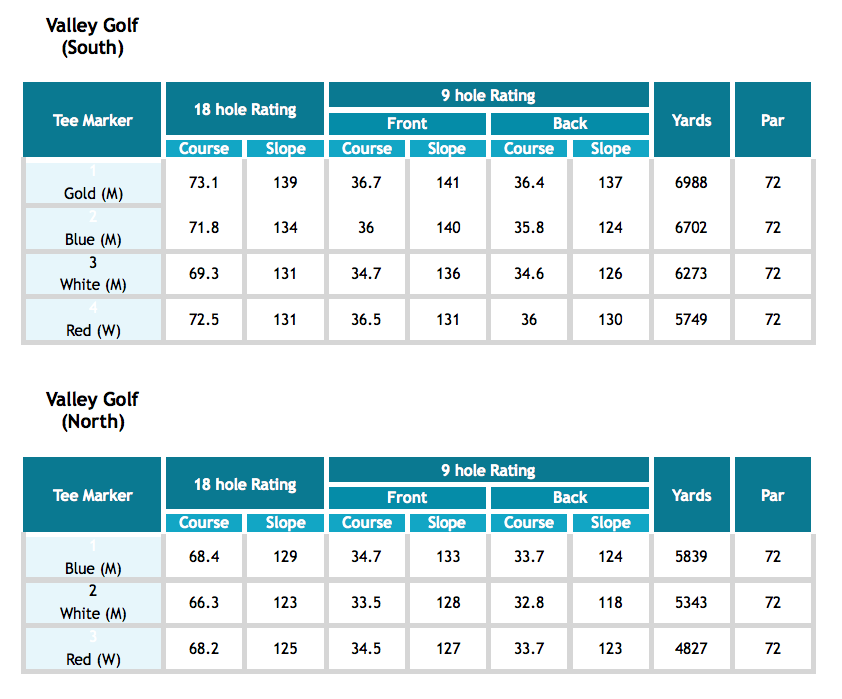
Slope Rating / Course Rating Valley Golf and Country Club, Inc
Demystifying Golf Course Ratings and Slope Unlocking the Secrets of
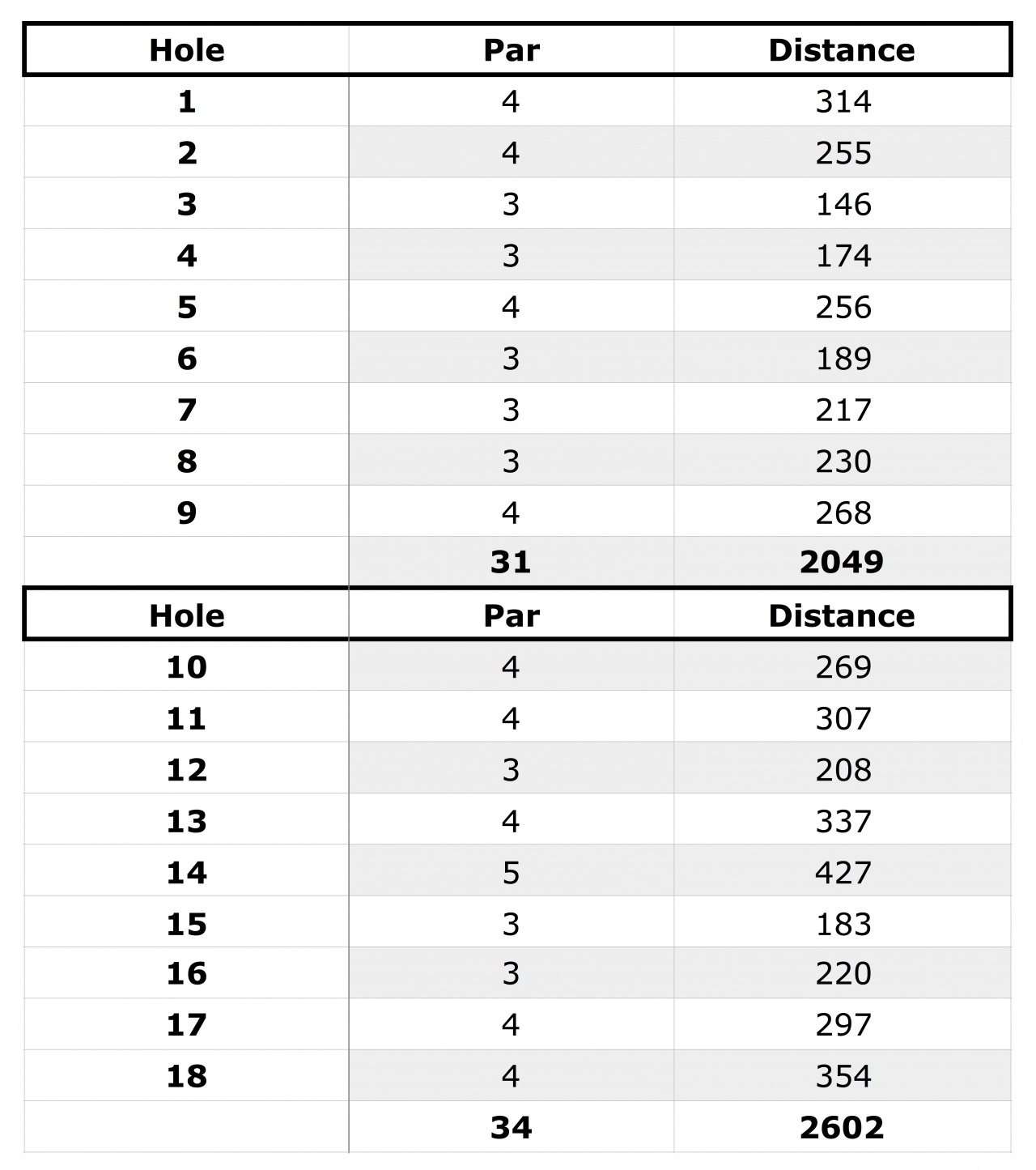
What Does Rating And Slope Mean For A Golf Course
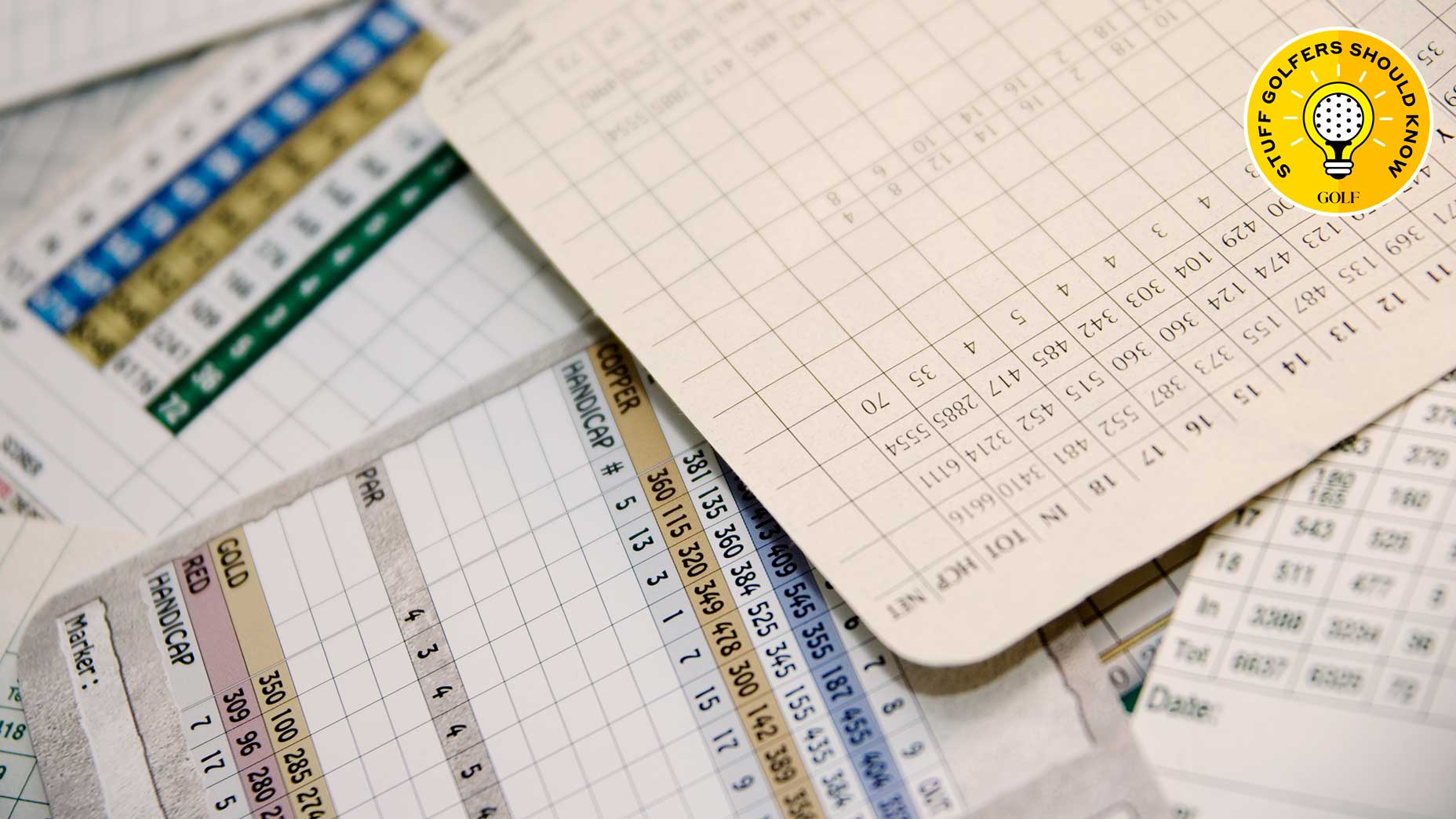
The difference between course rating and slope rating, explained
What is Course Rating? SCGA Blog

Golf Handicap Terms Explained & Illustrated

What is Course Rating? And How is it Determined? The Michigan Golf

What Do Course Rating And Course Slope Really Mean? Golf Widget

Course And Slope Rating Explained What You Need To Know! My Golf Heaven
![Golf Scorecard Explained [How To Read & Symbols]](https://www.bigteesgolfworld.com/wp-content/uploads/2023/04/f2fed220-03e0-4537-b02c-8b8f93bf3d51.png)
Golf Scorecard Explained [How To Read & Symbols]
With A Course Rating Of 71.0 And A Bogey Rating Of 95.5, Course B Has A.
Slope Rating And Course Rating Are Designed To Measure The Difficulty Of The Course.
Slope Rating Shows How Much Harder A Course Is For High Ha…
The Slope Rating Then Is A Calculation Based On A Formula Using The Difference Between The Usga Course Rating And The Bogey Rating To Compute Individual Handicaps From.
Related Post: