
Credit Course Meaning
Credit Course Meaning - This term is almost always used in a higher education context, and it refers to a single unit of credit involved in completing a course. College credit is a unit of measurement used to quantify the value of coursework completed in higher education. In other words, credits represent the amount of time and effort a student devotes to a particular course. In general, credit courses are designed for students who are interested in earning college credits towards a degree or certificate. Earn college credits that may be applicable to certificates or degrees. Course credits are used to determine a student's progress towards graduation or attaining a degree and are often used for calculating academic standing, eligibility for financial aid, and fulfilling prerequisite requirements for advanced courses. Students who take credit courses receive a letter grade (a, b, c, d or f) at the end of the semester. A course credit is a measure of the size of an educational course, often used to determine whether the requirements for an award have been met, to facilitate transfer between institutions, or to enhance intercomparability of qualifications. According to learn.org, “college credits measure the number of applied hours that are recognized for successful completion of a particular course of study.” in simpler terms, they are ultimately a way of equalizing the time spent learning and studying for each college class. According to federal guidelines, one college credit hour “reasonably approximates” one hour of classroom learning plus two hours of independent work. You take a credit course and plan to eventually (at acc or another institution) earn a credit certificate or degree. Whether you’re seeking a job that requires a specific level of education or you have plans for a bachelor’s degree or higher, credit courses can get you on that path. According to learn.org, “college credits measure the number of applied hours that are recognized for successful completion of a particular course of study.” in simpler terms, they are ultimately a way of equalizing the time spent learning and studying for each college class. In general, credit courses are designed for students who are interested in earning college credits towards a degree or certificate. The number of credits a course is worth is based upon the time you're expected to be in class. You might take a credit course if you plan to eventually (at aacc or another institution) earn a credit certificate or degree. You receive credit by attending and completing a course. The number of credits a course is worth is based on the time you're expected to be in class. College credits measure you academic progress and are required to graduate. This term is almost always used in a higher education context, and it refers to a single unit of credit involved in completing a course. You earn credit by attending and successfully completing a course. You can also get credits, or credit hours, from internships, labs, and service learning. You might not be familiar with the difference between the two, but they each play a key role in higher education and provide valuable career training, and one might be a better fit for you. Credit. In other words, credits represent the amount of time and effort a student devotes to a particular course. Essentially known as a building block for earning a degree, college credits count and show what student has indeed. A college credit is a unit that measures learning at accredited colleges and universities in the united states. According to federal guidelines, one. It represents the amount of academic effort, knowledge, and skills acquired by a student through successful completion of a course. A course credit is a measure of the size of an educational course, often used to determine whether the requirements for an award have been met, to facilitate transfer between institutions, or to enhance intercomparability of qualifications. Essentially known as. A college credit is a unit that measures learning at accredited colleges and universities in the united states. You might not be familiar with the difference between the two, but they each play a key role in higher education and provide valuable career training, and one might be a better fit for you. You earn credit by attending and successfully. It represents the amount of academic effort, knowledge, and skills acquired by a student through successful completion of a course. You earn credit by attending and successfully completing a course. You can also get credits, or credit hours, from internships, labs, and service learning. According to learn.org, “college credits measure the number of applied hours that are recognized for successful. A college credit is a unit that measures learning at accredited colleges and universities in the united states. Credits represent the amount of academic effort required to complete a specific course. College credits are units of measurement that track a student's academic progress in higher education. It represents the amount of academic effort, knowledge, and skills acquired by a student. Earn college credits that may be applicable to certificates or degrees. You earn credit by attending and successfully completing a course. You might take a credit course if you plan to eventually (at aacc or another institution) earn a credit certificate or degree. According to federal guidelines, one college credit hour “reasonably approximates” one hour of classroom learning plus two. They represent the amount of work and learning involved in a particular course, and they're typically awarded based on the number of. According to learn.org, “college credits measure the number of applied hours that are recognized for successful completion of a particular course of study.” in simpler terms, they are ultimately a way of equalizing the time spent learning and. These courses are usually a full semester long. You might take a credit course if you plan to eventually (at aacc or another institution) earn a credit certificate or degree. Credits add up and can be applied toward a degree. Essentially known as a building block for earning a degree, college credits count and show what student has indeed. They. However, you will only get ‘credit’ for the class hours. A course credit is a measure of the size of an educational course, often used to determine whether the requirements for an award have been met, to facilitate transfer between institutions, or to enhance intercomparability of qualifications. You receive credit by attending and completing a course. A credit system is. Credit courses are usually taken to work towards a degree program. You take a credit course and plan to eventually (at acc or another institution) earn a credit certificate or degree. The number of credits a course is worth is based on the time you're expected to be in class. You might not be familiar with the difference between the two, but they each play a key role in higher education and provide valuable career training, and one might be a better fit for you. These courses are usually a full semester long. While credit and course credit can have more definitions than is convenient, a credit hour 2 has only one meaning. College credits measure you academic progress and are required to graduate. Credit courses are designed for students who are interested in earning college credits toward a degree or certificate. Whether you’re seeking a job that requires a specific level of education or you have plans for a bachelor’s degree or higher, credit courses can get you on that path. College credits are a unit of measurement used to quantify the amount of work required to complete a course. According to federal guidelines, one college credit hour “reasonably approximates” one hour of classroom learning plus two hours of independent work. Earn college credits that may be applicable to certificates or degrees. According to learn.org, “college credits measure the number of applied hours that are recognized for successful completion of a particular course of study.” in simpler terms, they are ultimately a way of equalizing the time spent learning and studying for each college class. In general, credit courses are designed for students who are interested in earning college credits towards a degree or certificate. A college credit is a unit that measures learning at accredited colleges and universities in the united states. Essentially known as a building block for earning a degree, college credits count and show what student has indeed.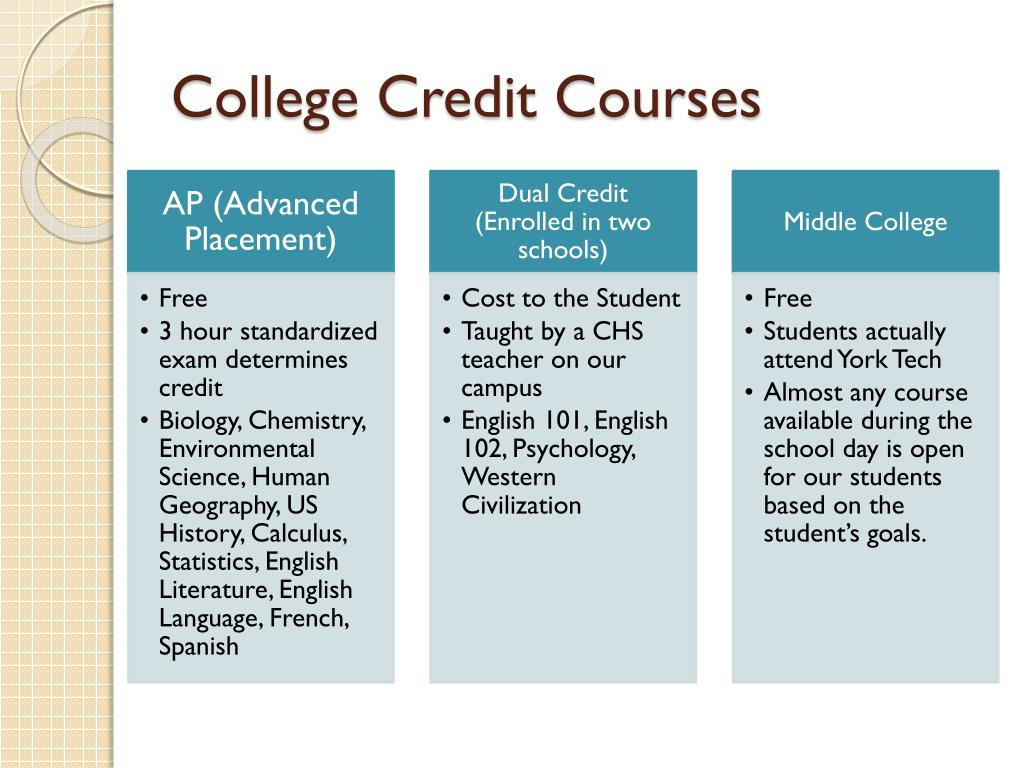
PPT Academic Opportunities at Clover High School PowerPoint

Register Now Anne Arundel Community College

College Credit Plus

School/College and Departmental Credit Analysis Academic Planning and
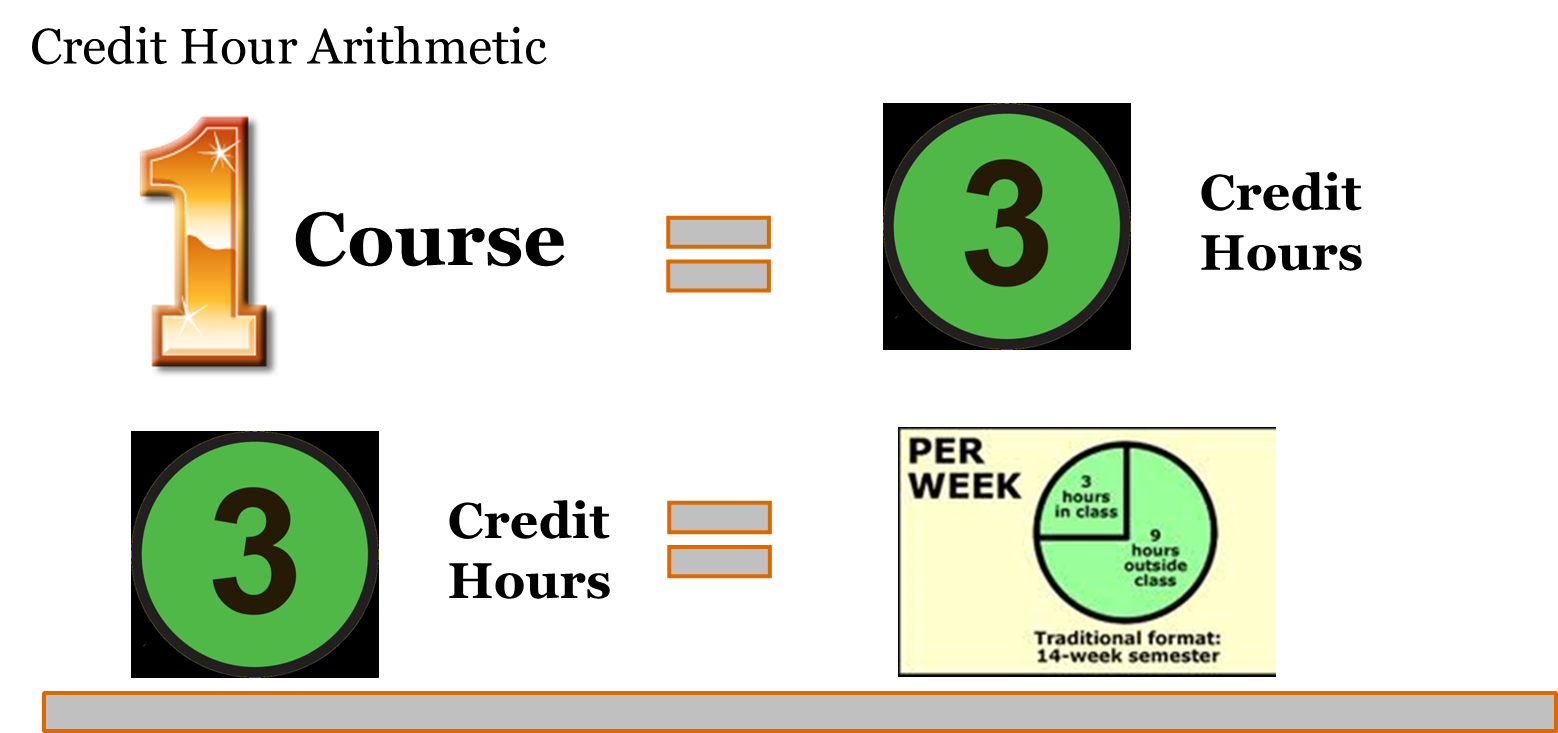
How Many Hours Is A 3 Credit College Course Credit Walls

Beginning Your Freshman Year at Century High School. ppt download

Course Credit Course In College

What are the 3 credits? Leia aqui What are the 3 credit types Fabalabse
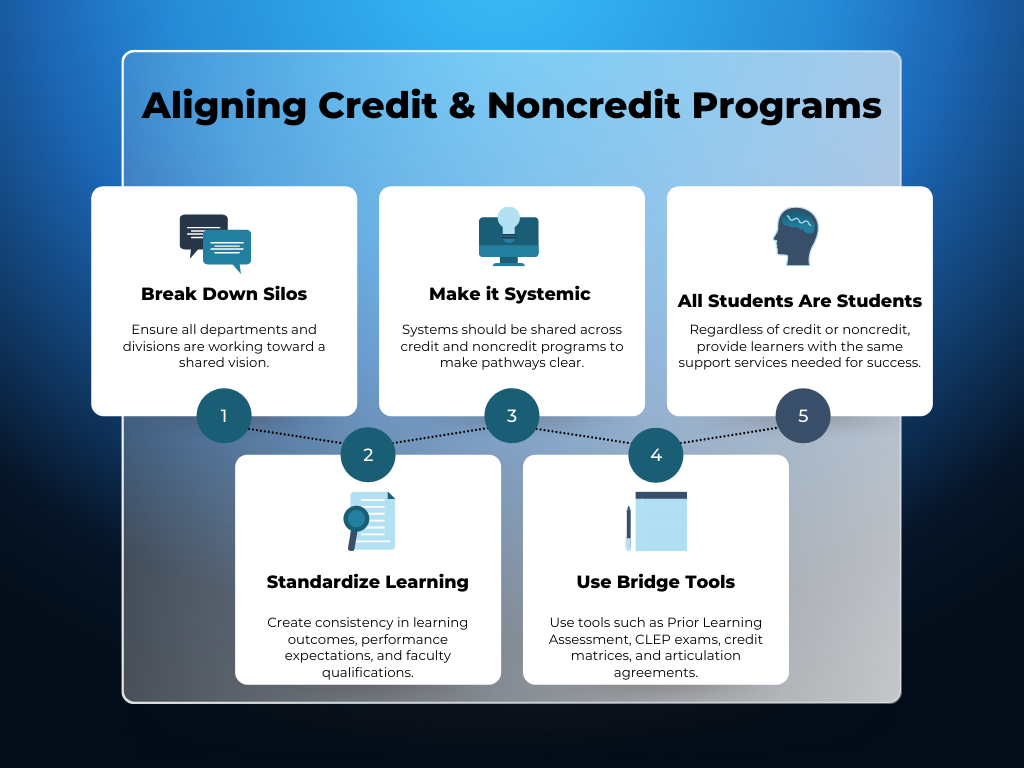
Aligning Credit and Noncredit Programs Learn Effective Strategies
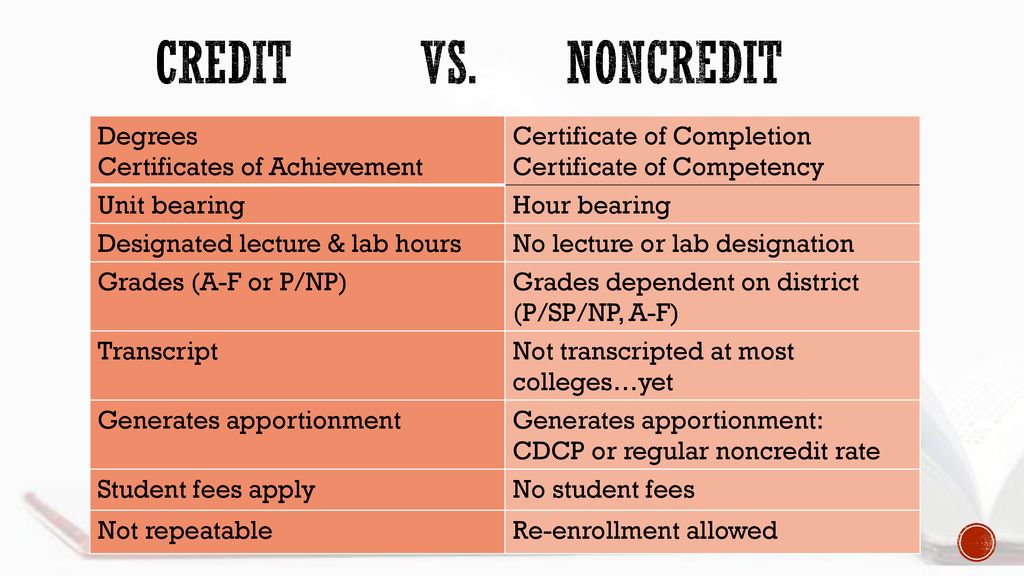
Placing courses into areas of noncredit ppt download
Students Who Take Credit Courses Receive A Letter Grade (A, B, C, D Or F) At The End Of The Semester.
You Can Also Get Credits, Or Credit Hours, From Internships, Labs, And Service Learning.
This Term Is Almost Always Used In A Higher Education Context, And It Refers To A Single Unit Of Credit Involved In Completing A Course.
Essentially, A Credit Is A Unit By Which Course Work Is Measured.
Related Post: