
Seminar Style Course
Seminar Style Course - But what’s the difference between seminar vs. After launch, analyse engagement metrics, student. Chancellor’s scholars take classes across the disciplines and interact with faculty dedicated to. A seminar is a small group session where you get the chance to discuss the content you have been assigned to learn for the week. Seminar discussions not only influence student learning but also social skills. Learn to leadstrategies for successeffective problem solving100+ courses available In this type of seminar, students critically discuss. Unlike lectures, seminar classes are meant to be interactive, with students participating in a dialogue rather than just listening to a professor and taking notes. A lecture is a large group session where the. Well, to start, these three terms refer to specific types of classes that students. In this type of seminar, students critically discuss. A lecture is a large group session where the. By definition, then, a seminar format has clear implications about class. But what’s the difference between seminar vs. Seminars—small classes typically driven by discussion and other forms of active learning and in which students often take on teaching roles and responsibilities—offer tremendous. Students are given a voice to share. A seminar aims to educate, inform, or align a group of people around a specific topic. Seminars fosters participation, deepen understanding, and provide attendees with. This suite of resources aims to boost students’ sense of belonging by improving the messages and signals students receive on the first day of class to foster growth mindset,. After launch, analyse engagement metrics, student. A seminar aims to educate, inform, or align a group of people around a specific topic. A lecture is a large group session where the. Unlike lectures, seminar classes are meant to be interactive, with students participating in a dialogue rather than just listening to a professor and taking notes. In this type of seminar, students critically discuss. Seminar discussions. Students are given a voice to share. Learn to leadstrategies for successeffective problem solving100+ courses available Typically, students complete readings and assignments before the class and discuss major themes or topics during class. This fully online course will include video lectures, textbook readings, journal articles, group projects, individual assignments, and participation in the discussion board. A seminar aims to educate,. This fully online course will include video lectures, textbook readings, journal articles, group projects, individual assignments, and participation in the discussion board. This suite of resources aims to boost students’ sense of belonging by improving the messages and signals students receive on the first day of class to foster growth mindset,. Seminars—small classes typically driven by discussion and other forms. But what’s the difference between seminar vs. A seminar aims to educate, inform, or align a group of people around a specific topic. Students are given a voice to share. In this type of seminar, students critically discuss. This suite of resources aims to boost students’ sense of belonging by improving the messages and signals students receive on the first. Well, to start, these three terms refer to specific types of classes that students. This suite of resources aims to boost students’ sense of belonging by improving the messages and signals students receive on the first day of class to foster growth mindset,. Seminar discussions not only influence student learning but also social skills. After launch, analyse engagement metrics, student.. Unlike lectures, seminar classes are meant to be interactive, with students participating in a dialogue rather than just listening to a professor and taking notes. The primary goal is to encourage students to express their. Seminar discussions not only influence student learning but also social skills. Typically, students complete readings and assignments before the class and discuss major themes or. But what’s the difference between seminar vs. You set expectations for your students during the discussions. Chancellor’s scholars take classes across the disciplines and interact with faculty dedicated to. Students are given a voice to share. Seminars—small classes typically driven by discussion and other forms of active learning and in which students often take on teaching roles and responsibilities—offer tremendous. Seminars fosters participation, deepen understanding, and provide attendees with. Chancellor’s scholars take classes across the disciplines and interact with faculty dedicated to. Seminar discussions not only influence student learning but also social skills. In this type of seminar, students critically discuss. A seminar is a small group session where you get the chance to discuss the content you have been. But what’s the difference between seminar vs. The primary goal is to encourage students to express their. A seminar is a small group session where you get the chance to discuss the content you have been assigned to learn for the week. Seminars fosters participation, deepen understanding, and provide attendees with. Students are given a voice to share. Students are given a voice to share. This fully online course will include video lectures, textbook readings, journal articles, group projects, individual assignments, and participation in the discussion board. But what’s the difference between seminar vs. The primary goal is to encourage students to express their. This suite of resources aims to boost students’ sense of belonging by improving the. Typically, students complete readings and assignments before the class and discuss major themes or topics during class. After launch, analyse engagement metrics, student. By definition, then, a seminar format has clear implications about class. Job market consistently demanding more skilled tradespeople, investing in electrician training courses in chicago, il is a smart move. Seminars fosters participation, deepen understanding, and provide attendees with. A lecture is a large group session where the. A seminar aims to educate, inform, or align a group of people around a specific topic. This fully online course will include video lectures, textbook readings, journal articles, group projects, individual assignments, and participation in the discussion board. When you enter college, you’re going to be encountering classes that are labeled ‘seminar’, ‘lecture’, and even ‘workshop’. Seminars—small classes typically driven by discussion and other forms of active learning and in which students often take on teaching roles and responsibilities—offer tremendous. Chancellor’s scholars take classes across the disciplines and interact with faculty dedicated to. Seminar discussions not only influence student learning but also social skills. The primary goal is to encourage students to express their. Learn to leadstrategies for successeffective problem solving100+ courses available Good luck in your search!. A seminar is a small group session where you get the chance to discuss the content you have been assigned to learn for the week.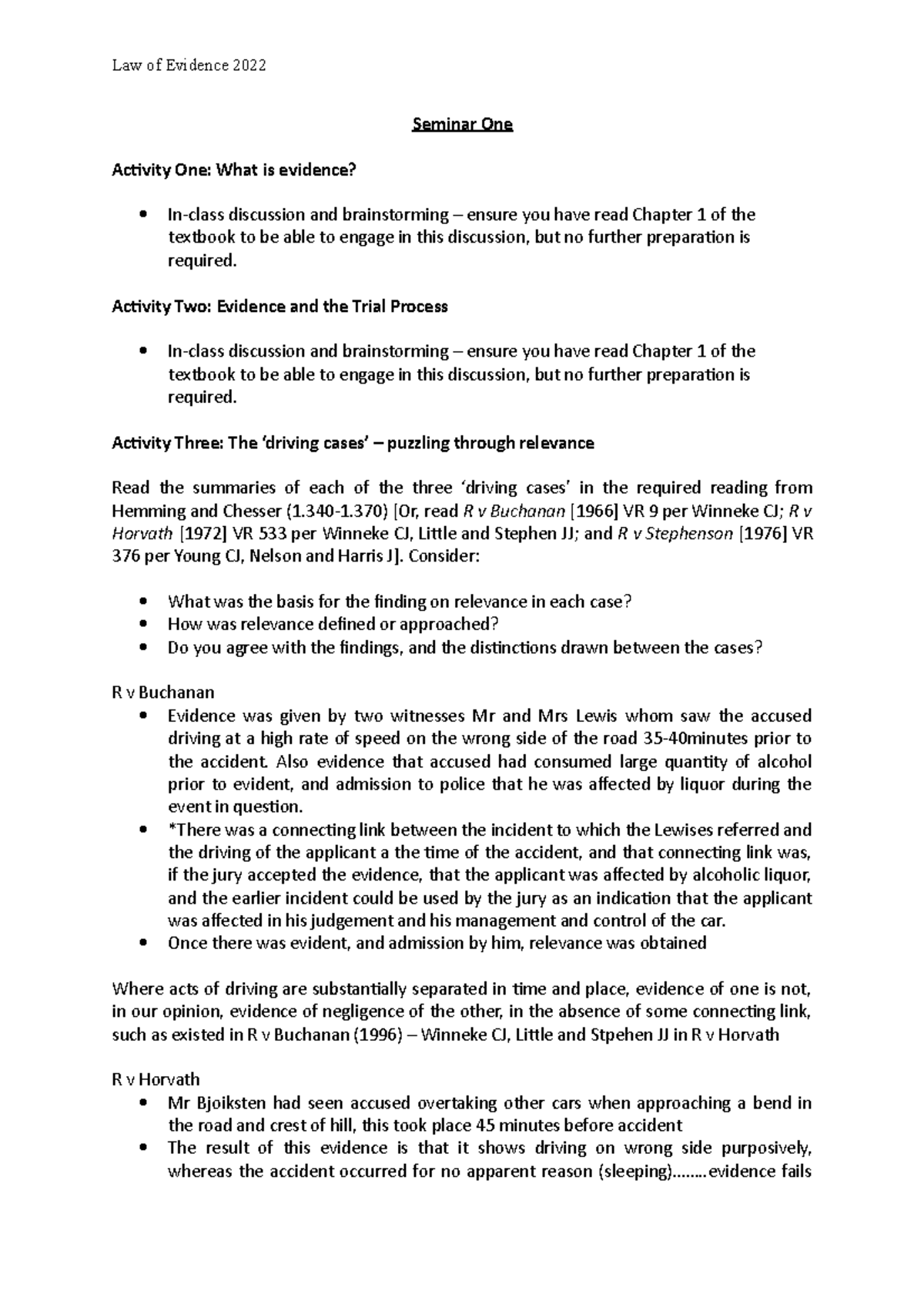
Seminar 1 Questions info Seminar One Activity One What is evidence

(PDF) The Benefits of Using Clickers in SmallEnrollment SeminarStyle

CSCI2950C Genomes, Networks, and Cancer ppt download

(PDF) Developing elearning content to raise global awareness in a

Training Seminars Profit Box

C Research Training is a seminarstyle course that emphasizes

7 Reasons to do Seminar Style Discussions in Your Class Teaching Made
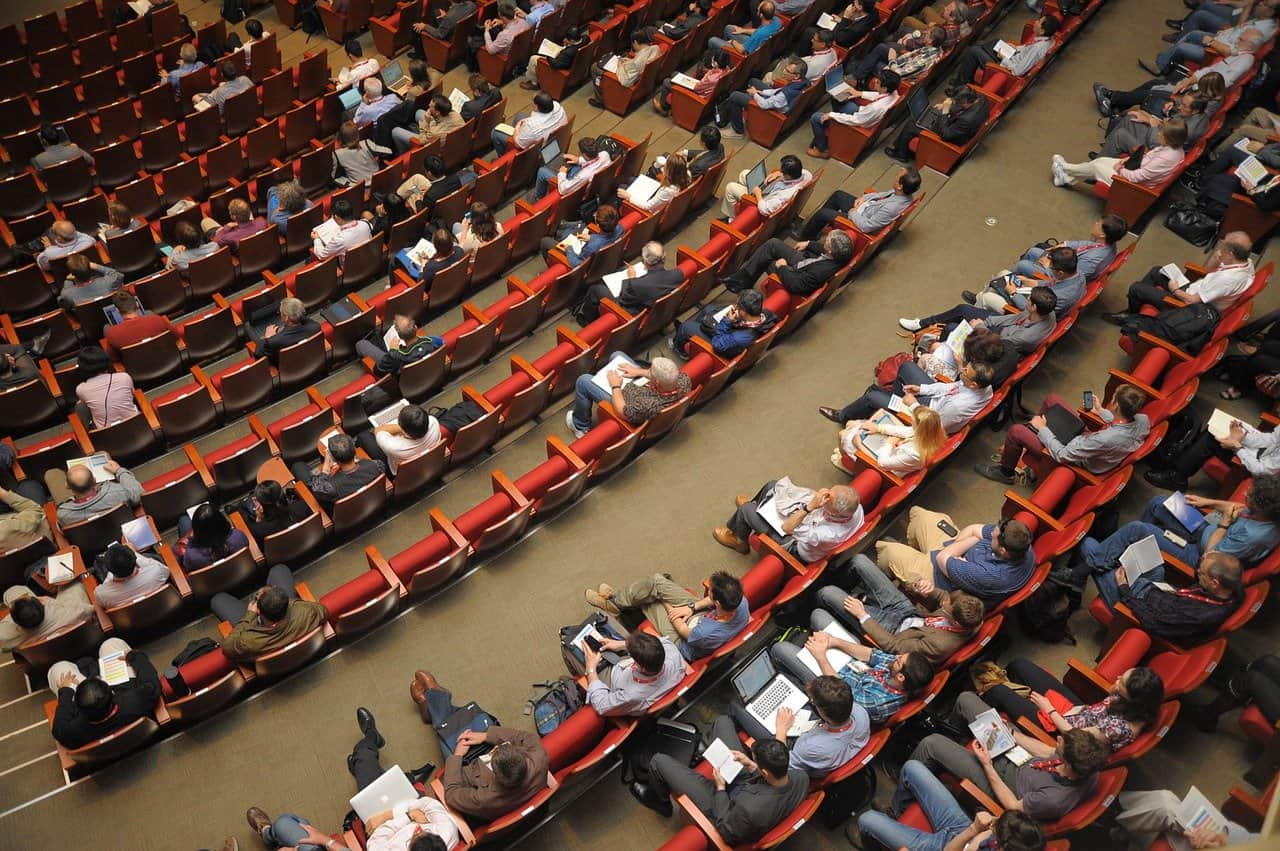
What is a Seminar Class? (2024) Peerspace

SIMS 247 Information Visualization and Presentation Marti Hearst ppt
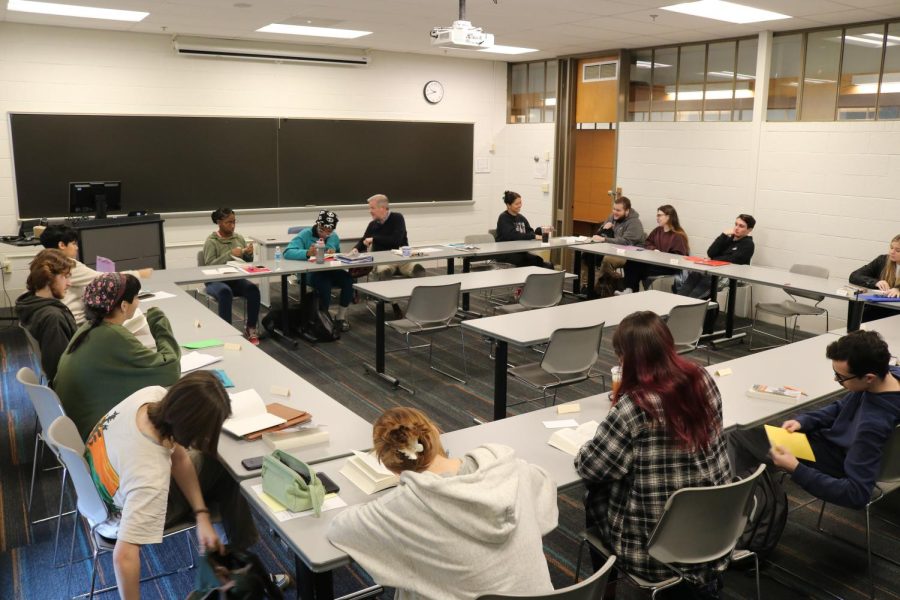
Students lead class discussions in seminarstyle courses Campus Current
But What’s The Difference Between Seminar Vs.
This Suite Of Resources Aims To Boost Students’ Sense Of Belonging By Improving The Messages And Signals Students Receive On The First Day Of Class To Foster Growth Mindset,.
Students Are Given A Voice To Share.
Unlike Lectures, Seminar Classes Are Meant To Be Interactive, With Students Participating In A Dialogue Rather Than Just Listening To A Professor And Taking Notes.
Related Post: