
Swimming Short Course Vs Long Course
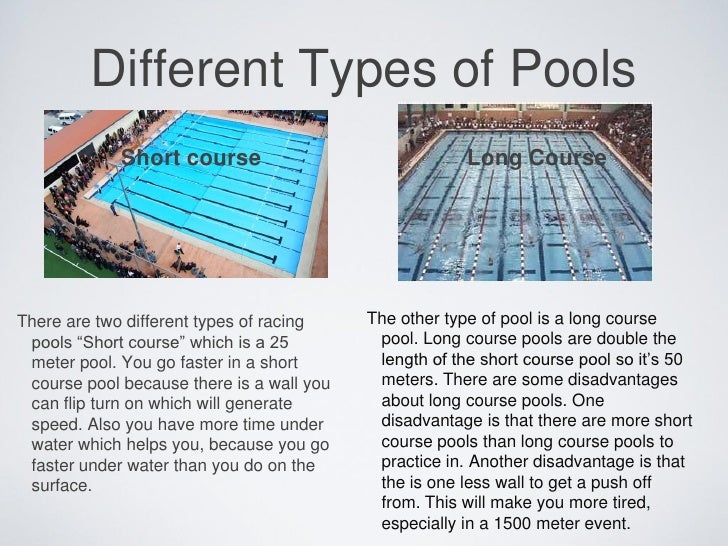
Swimming Short Course Vs Long Course - Short course season runs for the majority of the year, from the end of august to the end of march. Here are some differences between the short and long course: Each turn does two things: Let's dive into the nuances of racing in these different pool sizes and how you can optimize your performance in each. (although for some of our swimmers who have not yet mastered a turn, the turning process is slower than swimming!) some people attempt to convert a short course time to a long course time or visa versa. In short course, there are eight laps, quick and easy. On this episode of the #askaswimpro show: The short course season spans early september to late march or early april, while the long course season is the standard for usa swimming’s summer meet schedule and major international competitions like the olympics. In terms of training, both short course and long course swimming have their advantages. Short course is significantly faster than long course swimming because of the turns! Long course season starts at the end of. The swimming times converter takes your best times (or goal times) and converts them into short course meters, long course meters, or short course yards using usa swimming’s motivational standards. Long course (lc) events are held in a 50m pool and short course (sc) is held in a 25m pool. Short course season runs for the majority of the year, from the end of august to the end of march. Short course vs long course. That corresponds to our winter and summer months. The short course season runs from late august to late march/early april and meets are held in 25 yard pools, where swimming 50 yards is two lengths of the pool. In an attempt to explain this split in the swim community, let’s take a look at the pros and cons of each. Short course races are perceived to be exciting and fast paced; Swimmers make more turns to swim the same length in a short course race; The short course season spans early september to late march or early april, while the long course season is the standard for usa swimming’s summer meet schedule and major international competitions like the olympics. If the pool is 25 meters long it is short course swimming and if the pool is 50 meters long then its long course. Short course. At its very simplest it refers to the length of the pool you are swimming in. In an attempt to explain this split in the swim community, let’s take a look at the pros and cons of each. The short course season runs from late august to late march/early april and meets are held in 25 yard pools, where swimming. Swimmers make more turns to swim the same length in a short course race; In terms of training, both short course and long course swimming have their advantages. The differences between short course (25 yards or meters) and long course (50 meters) swimming go beyond just the physical length of a pool. Swimmers need a tried and true warm up. On this episode of the #askaswimpro show: Short course vs long course. There are two types of pool swimming competitions: Short course is significantly faster than long course swimming because of the turns! Short course vs long course. But what differences should exist between long course vs short course warm up? In terms of training, both short course and long course swimming have their advantages. Take a crowded short course pool and double it: For those swimmers out there who may dread the summer season’s focus on long course swimming, here are a few reasons why long course. The short course season spans early september to late march or early april, while the long course season is the standard for usa swimming’s summer meet schedule and major international competitions like the olympics. In terms of training, both short course and long course swimming have their advantages. 1) increases speed, and 2) allows for a period of inactivity. Take. Swimmers need a tried and true warm up plan for their races. Conversely, in long course, there are four long laps. The olympic games is always held in a 50m pool but there are international competitions in both lc and sc. If the pool is 25 meters long it is short course swimming and if the pool is 50 meters. 1) increases speed, and 2) allows for a period of inactivity. Twice as much water means half as much lane crowding. In terms of training, both short course and long course swimming have their advantages. Short course races are perceived to be exciting and fast paced; Pushing off the wall is much faster than swimming any stroke (including underwater dolphin. Pushing off the wall is much faster than swimming any stroke (including underwater dolphin kick). The short course season runs from late august to late march/early april and meets are held in 25 yard pools, where swimming 50 yards is two lengths of the pool. There are two types of pool swimming competitions: 1) increases speed, and 2) allows for. The swimming times converter takes your best times (or goal times) and converts them into short course meters, long course meters, or short course yards using usa swimming’s motivational standards. In short course, there are eight laps, quick and easy. Take a crowded short course pool and double it: But what differences should exist between long course vs short course. Short course is significantly faster than long course swimming because of the turns! Long course (lc) events are held in a 50m pool and short course (sc) is held in a 25m pool. Short course vs long course. Short course swimming is great for building speed, as the turns require bursts of power and agility long. That corresponds to our winter and summer months. In short course, there are eight laps, quick and easy. • swimmers make more turns to swim the same length in a short course race • short course races are perceived to be exciting, intense, and fast paced For those swimmers out there who may dread the summer season’s focus on long course swimming, here are a few reasons why long course is actually the best course: Swimmers need a tried and true warm up plan for their races. Summer leagues, high school and usa college swimming. The short course season spans early september to late march or early april, while the long course season is the standard for usa swimming’s summer meet schedule and major international competitions like the olympics. Conversely, in long course, there are four long laps. But what differences should exist between long course vs short course warm up? Long course and short course. On this episode of the #askaswimpro show: Here are some differences between the short and long course:
Swim Poll of the Week Which Do You Prefer Long Course or Short Course
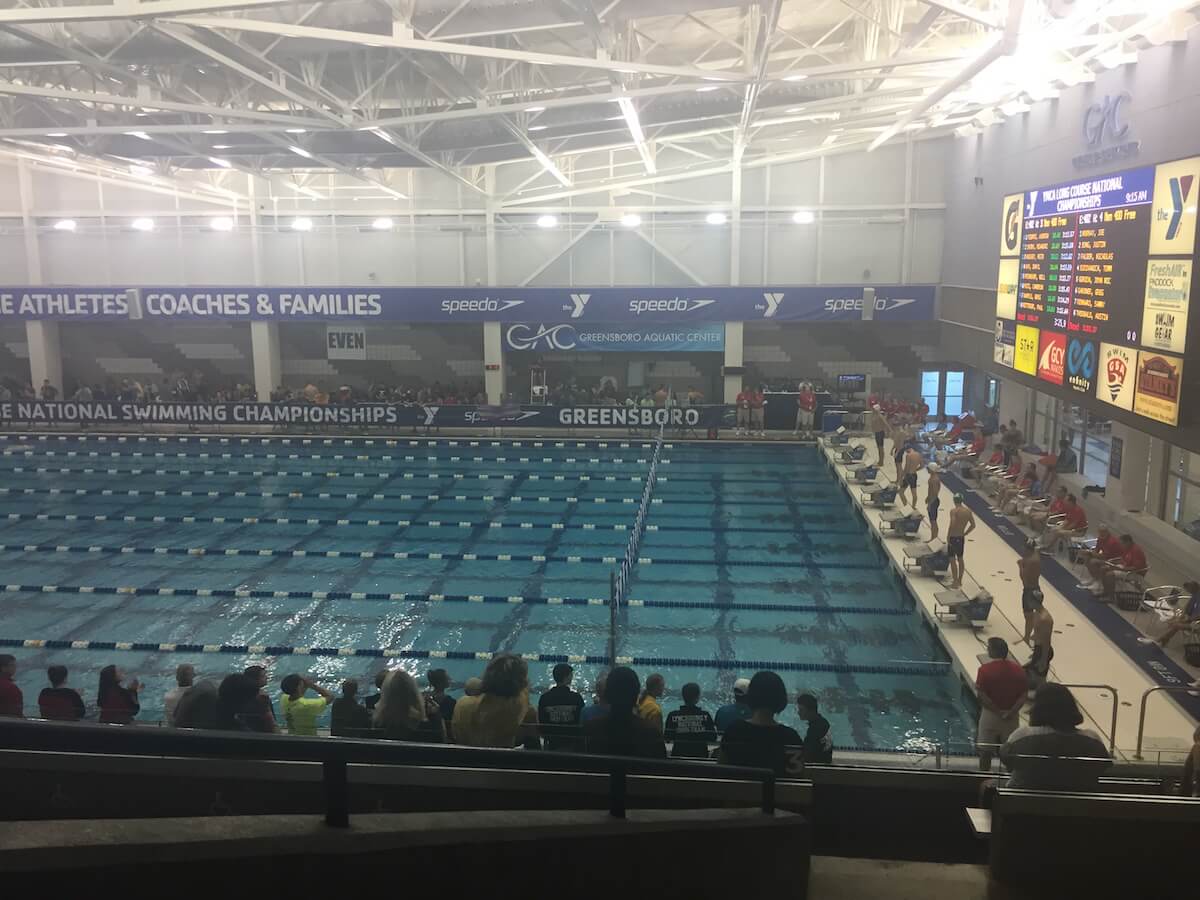
Long Course vs. Short Course A Look At Some Differences
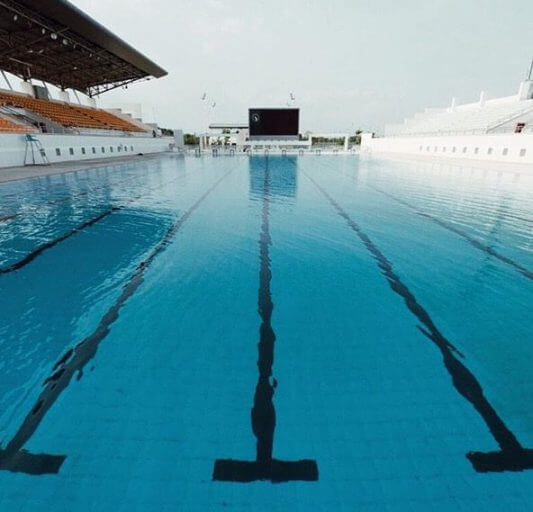
Short Course vs. Long Course The Pros and Cons of Each Pool

How To Convert Swimming Short and Long Course Meters to Yards Tony
P3 final
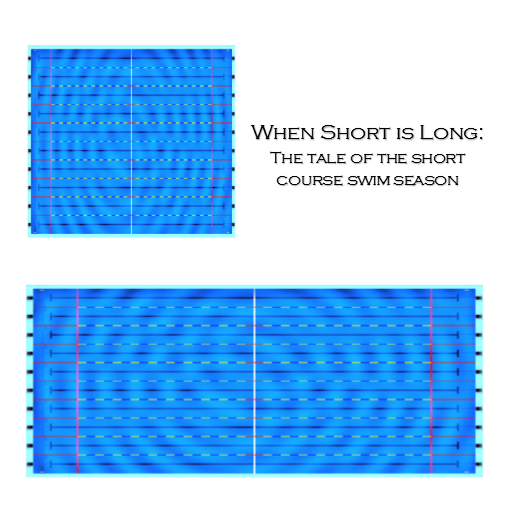
Long Course Season since swimming came along

Short Course vs Long Course Whiteboard Wednesday YouTube

Swimming in yards vs. meters Competitive swimming, Swimming, Olympic

3 Ways Flip Turns Make You Swim Faster

Short Course vs. Long Course The Pros and Cons of Each Pool
The Short Course Season Runs From Late August To Late March/Early April And Meets Are Held In 25 Yard Pools, Where Swimming 50 Yards Is Two Lengths Of The Pool.
Long Course Season Starts At The End Of.
At Its Very Simplest It Refers To The Length Of The Pool You Are Swimming In.
There Are Two Types Of Pool Swimming Competitions:
Related Post: